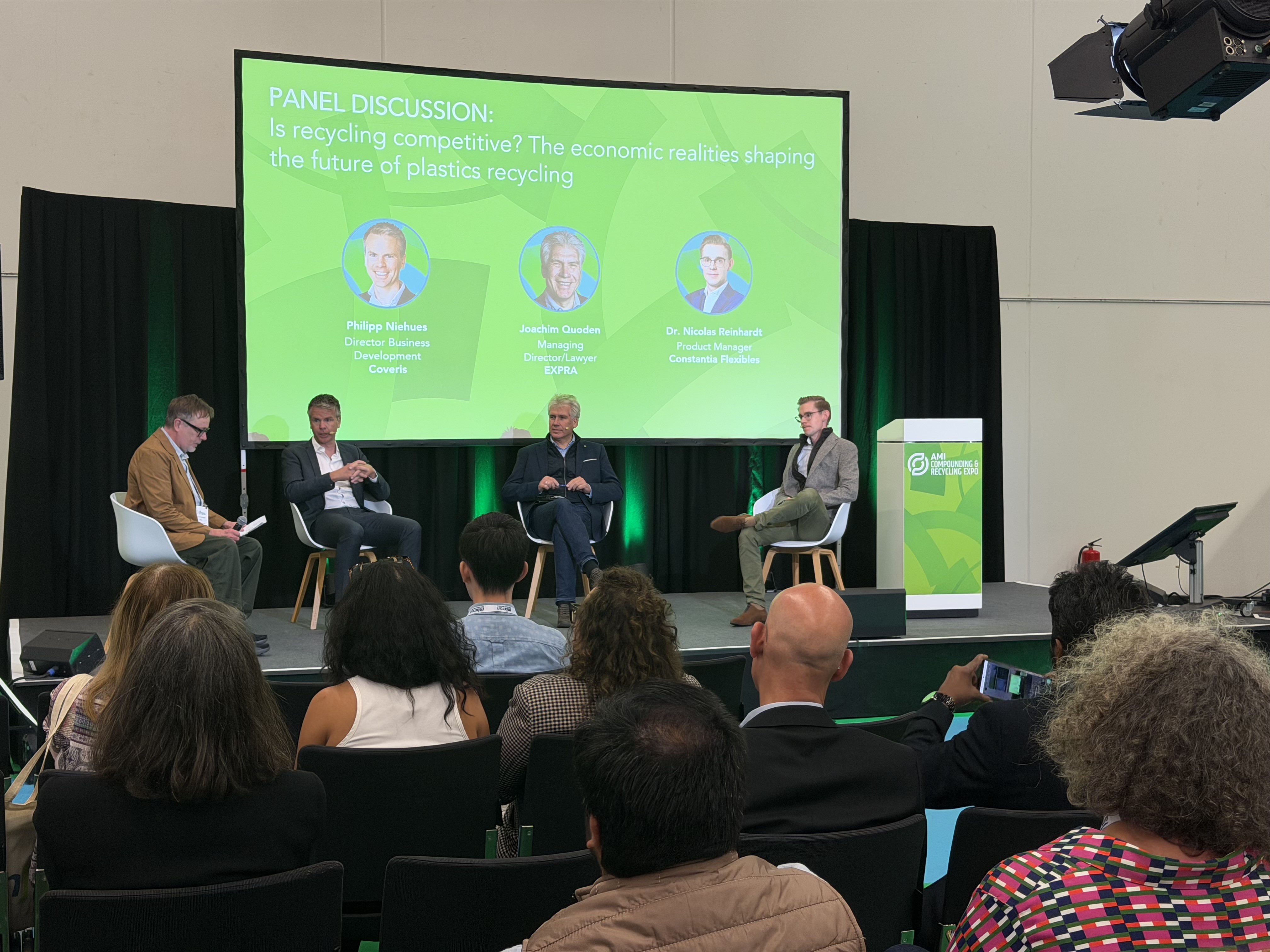
Cognivox Labs attended the AMI Compounding & Recycling Expo Europe 2026 in Frankfurt, where companies from across plastics recycling, compounding, materials technology, machinery, testing and industrial processing came together to discuss technology, regulation and the future of circular production.
For Cognivox Labs, the event provided an opportunity to look more closely at where AI, data and custom software are becoming relevant inside real industrial environments.
The focus was not simply on where AI can be introduced, but on where digital systems can meaningfully improve access to technical knowledge, operational workflows, material data, traceability and decision-making.
Industrial AI depends on the data beneath it
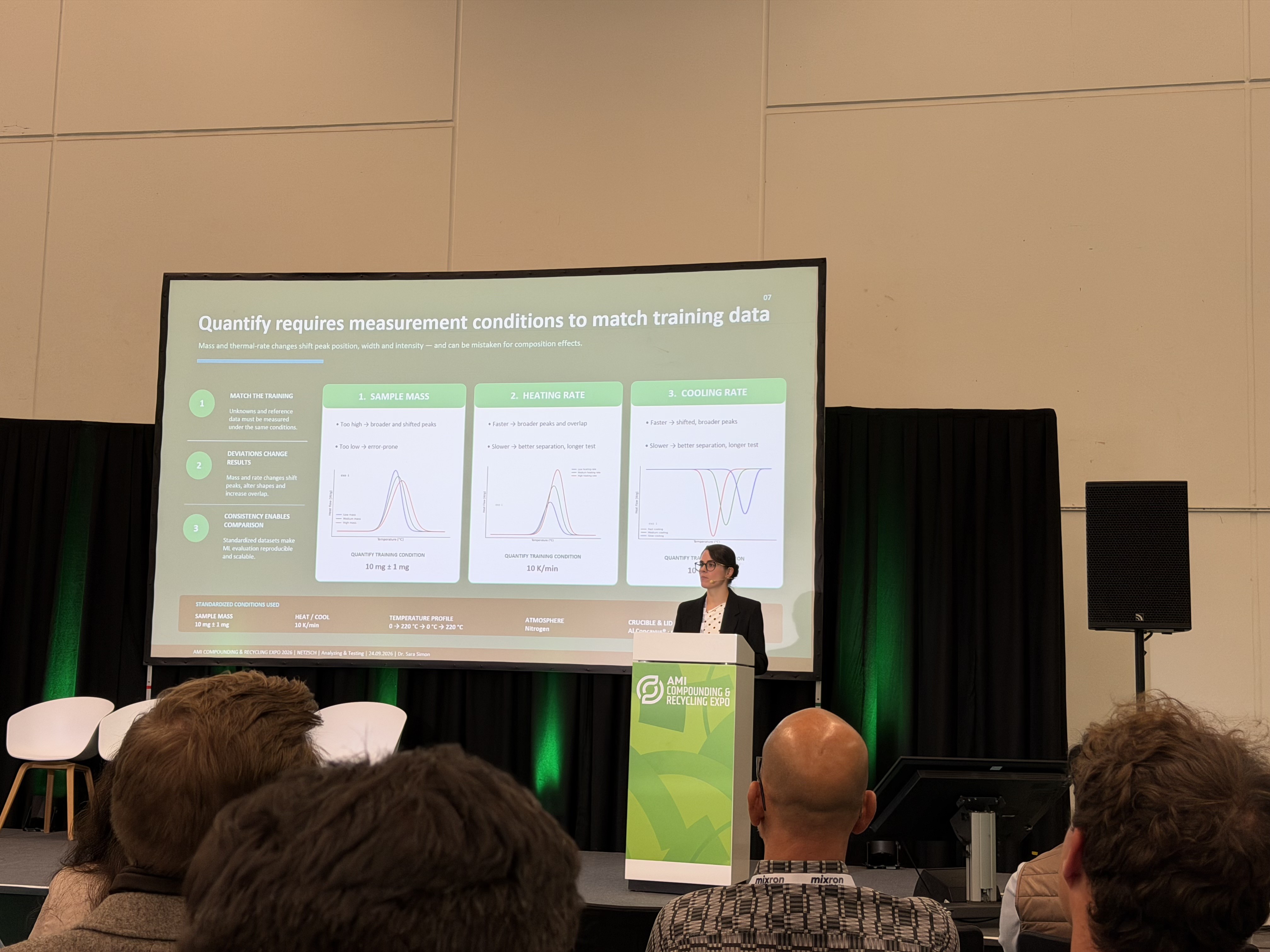
One of the clearest themes across the technical sessions was that industrial AI depends heavily on the quality, consistency and context of the underlying data.
In materials engineering and process environments, model performance is closely tied to how measurements are produced, under which conditions they are collected, and whether those conditions remain consistent between training and real-world use.
That changes the nature of the AI problem.
In these environments, the challenge is not only choosing or training a capable model. It also involves data quality, measurement consistency, reproducibility, validation and understanding the operational context in which the model is expected to perform.
This reinforces a principle that applies well beyond materials engineering: production AI is a systems problem, not simply a model-selection problem.
From material data to digital workflows
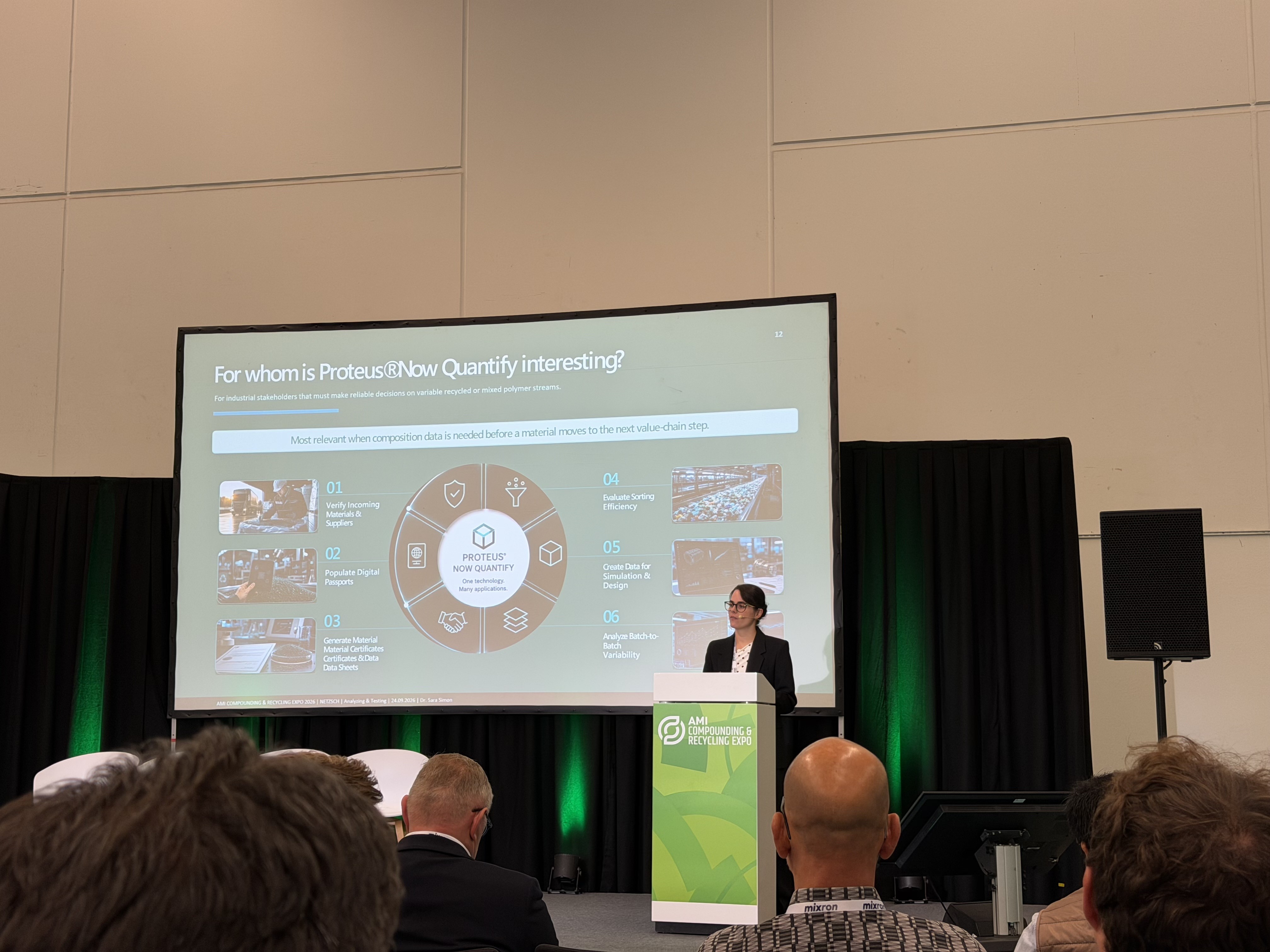
Several presentations also demonstrated how specialised material data can support much broader industrial workflows.
Potential applications included incoming material verification, digital product information, certificates and data sheets, sorting efficiency, simulation and formulation data, and analysis of batch-to-batch variability.
The software opportunity around these processes is significant.
Industrial data rarely exists in isolation. It often needs to move between testing systems, databases, document repositories, operational applications and enterprise platforms.
That creates opportunities for custom software, APIs, workflow automation and intelligent data-processing systems that connect specialised technical processes with the wider organisation.
Data sovereignty matters in industrial AI
Another important topic in discussions with industry professionals was how organisations approach sensitive operational and technical data when evaluating LLM-based systems.
For industrial companies, AI adoption is not only a question of model capability.
It also requires careful consideration of where data is processed, how information is retained, which systems the model can access and who ultimately controls the underlying infrastructure.
Commercial LLM providers can be appropriate for many use cases, but they are not the only option.
Depending on security, governance, confidentiality and data-residency requirements, organisations can also consider deploying open-weight models within controlled environments, including private cloud or on-premise infrastructure.
Where appropriate, those models can be adapted or fine-tuned using domain-specific data while keeping sensitive information inside the organisation's controlled environment.
For organisations with strict data-residency requirements, hosting AI infrastructure within Germany or the wider EU can also form part of the architecture.
The important point is that model selection and deployment strategy should follow the organisation's operational, security and governance requirements rather than defaulting to a single approach.
Digital systems across circular value chains
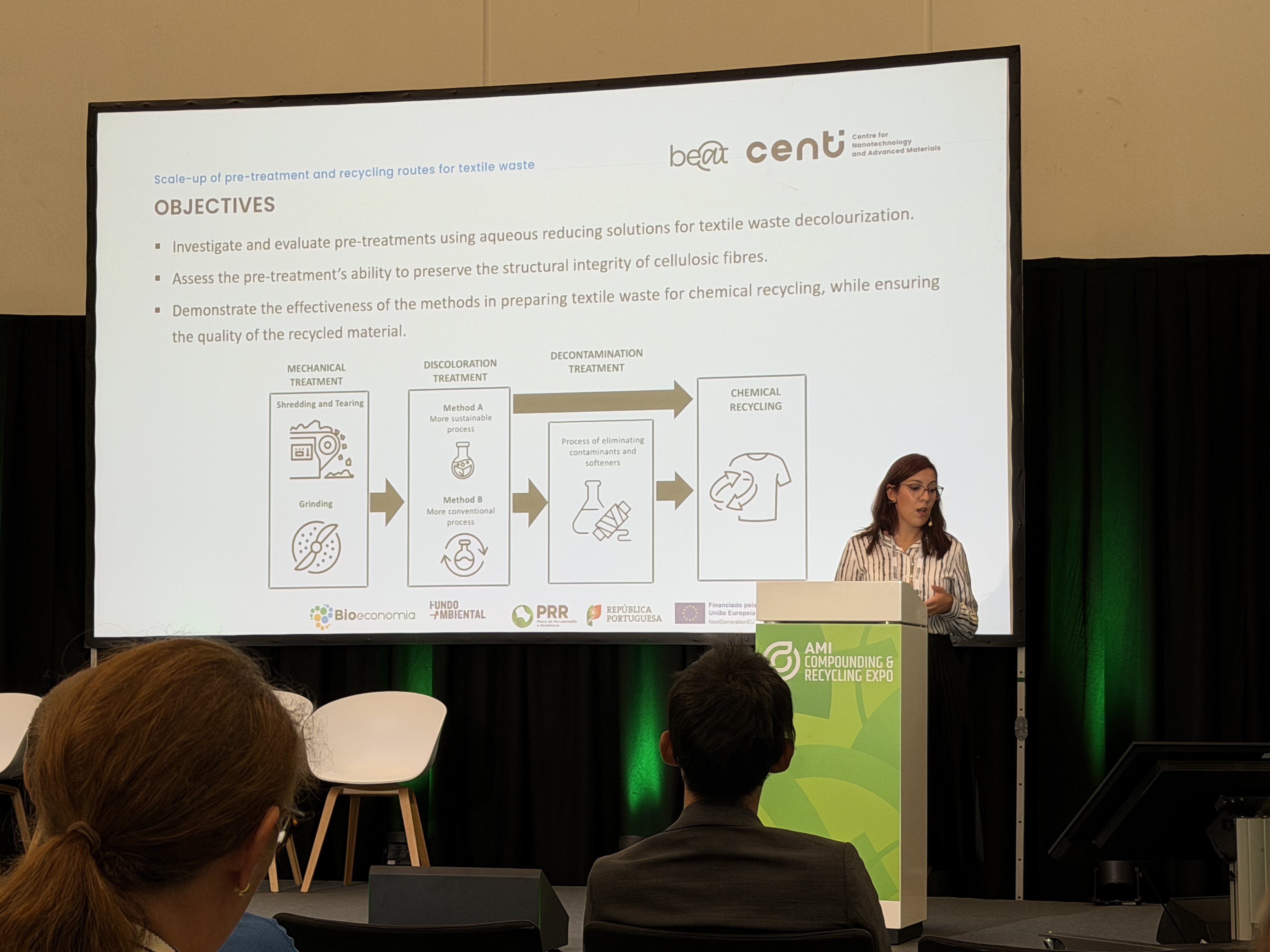
The event also highlighted the complexity of circular value chains.
Recycling and reuse involve multiple material stages, technical processes, suppliers, processors, certificates, quality requirements and downstream users.
As these physical value chains become more connected and more circular, the digital information flows around them become increasingly important as well.
This creates requirements around traceability, technical documentation, supplier data, quality information, reporting and the exchange of information between different organisations and systems.
Technology has to connect to commercial reality
Technology adoption in industrial environments ultimately has to create measurable operational value.
The question is not whether a workflow can be automated or whether AI can be added to a process.
The more useful questions are whether a system can reduce repetitive work, improve information access, increase reliability, support faster decisions, improve traceability or connect processes that are currently fragmented across different tools.
This was also reflected in discussions around the economics and competitiveness of recycling.
What this means for Cognivox Labs
The event reinforced several areas where Cognivox Labs' capabilities can be relevant to industrial organisations.
These include:
- technical knowledge systems built around manuals, procedures and operational documentation
- AI-assisted knowledge retrieval with source traceability
- document and data-processing workflows
- custom operational applications and dashboards
- enterprise integrations and APIs
- workflow automation
- private or controlled AI model deployments
- software connecting specialised industrial processes with existing business systems
Our approach remains the same across industries: understand the operational problem first, then determine whether the right solution is custom software, automation, AI, integration, or a combination of these technologies.