
Private Knowledge Assistants
AI assistants that answer questions from internal documents, policies, manuals, reports, contracts, tickets, and knowledge bases with traceable sources.
Production RAG Systems
We design and build retrieval-augmented generation systems that connect language models with trusted company knowledge, structured documents, semantic search, reranking, citations, evaluation, and production deployment.
Production AI engineering
Many RAG projects work in a demo but fail in real business use. The issue is usually not the language model alone. It is the retrieval pipeline, document structure, chunking strategy, metadata, access control, evaluation, latency, and reliability. Cognivox Labs helps teams build RAG systems that are designed for real users, real documents, and real operational constraints.
Knowledge systems
AI assistants that answer questions from internal documents, policies, manuals, reports, contracts, tickets, and knowledge bases with traceable sources.
Search experiences that understand meaning, not only keywords, using embeddings, vector search, hybrid retrieval, filters, metadata, and ranking strategies.
Systems that extract, structure, search, summarize, compare, and explain information from PDFs, manuals, forms, reports, and other business documents.
Knowledge systems for support teams, onboarding, help centers, service desks, internal operations, and expert assistants.
Evaluation workflows for faithfulness, answer relevance, context recall, context precision, retrieval quality, latency, and cost.
Backend APIs, secure infrastructure, logging, observability, feedback loops, usage analytics, prompt versioning, and continuous improvement.
Retrieval quality
Document parsing, cleaning, chunking, metadata enrichment, indexing, and update pipelines.
Vector search, hybrid search, metadata filtering, query rewriting, multi-query retrieval, and retrieval strategy design.
Neural reranking, cross-encoder reranking, relevance scoring, ranking optimization, and retrieval quality improvement.
Prompt design, context assembly, citation-aware answers, source attribution, refusal behavior, and hallucination reduction.
RAG quality evaluation using faithfulness, answer relevance, context recall, context precision, retrieval accuracy, and human review.
Private knowledge access, role-based permissions, tenant-aware retrieval, secure APIs, and data isolation.
Good fit
Process
We identify the target users, documents, workflows, answer types, risks, and success criteria.
We prepare documents for retrieval through parsing, cleaning, chunking, metadata design, and indexing.
We design the retrieval pipeline using embeddings, vector search, hybrid search, filters, query expansion, and reranking where needed.
We connect retrieval results to language models with citation-aware prompting, source handling, response rules, and fallback behavior.
We measure retrieval quality, answer relevance, faithfulness, context precision, context recall, latency, and cost.
We deploy the system with APIs, monitoring, logs, feedback loops, admin tools, and iteration cycles.
Engineering notes
We are building a practical video series on production RAG, covering retrieval pipelines, chunking, embeddings, reranking, evaluation, deployment, and the trade-offs behind real-world AI knowledge systems.
Guides and tutorials
Watch tutorials, technical breakdowns, and implementation notes from Cognivox Labs as we document how reliable RAG systems are designed, evaluated, and deployed.
Engineering stack
A production RAG system spans the user experience, retrieval services, private knowledge, models, and operational infrastructure.
Search interface, chat interface, document viewer, admin dashboard, feedback controls, and citation display.
RAG APIs, ingestion jobs, retrieval services, model orchestration, authentication, permissions, and logging.
Document stores, vector databases, metadata indexes, search engines, and update pipelines.
Commercial LLM APIs, open-source LLMs, embedding models, rerankers, and evaluation models.
Cloud hosting, Docker-based deployments, background workers, monitoring, observability, and cost controls.
Selected AI work
Published work covering semantic retrieval, AI-assisted products, and knowledge-grounded automation.
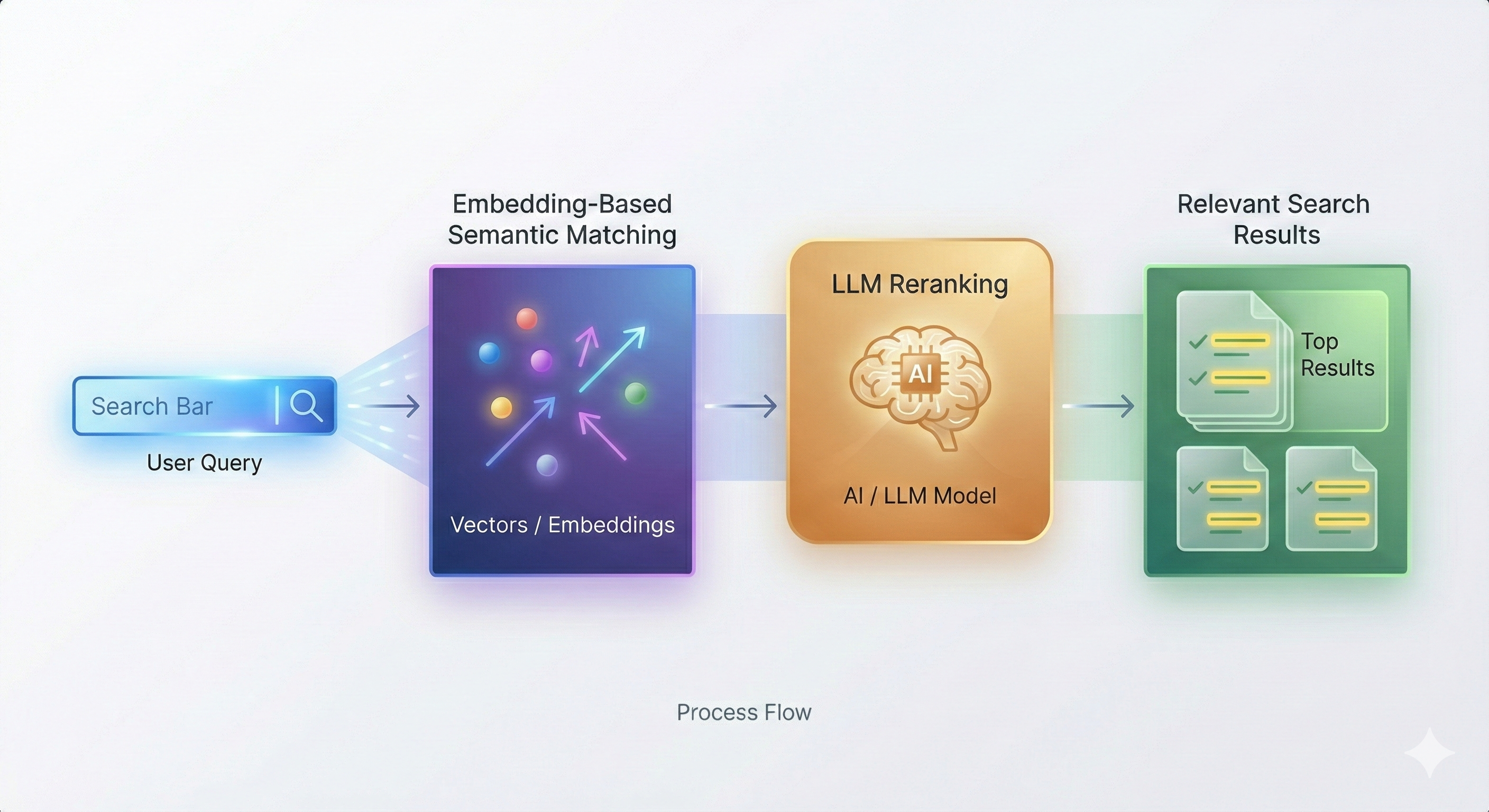
AI engineering · Backend integration · Production automation
How Cognivox Labs engineered a Python-based semantic matching system and integrated it into a Laravel production platform with automatic triggers, background workers, secure service communication, and zero-downtime deployment.
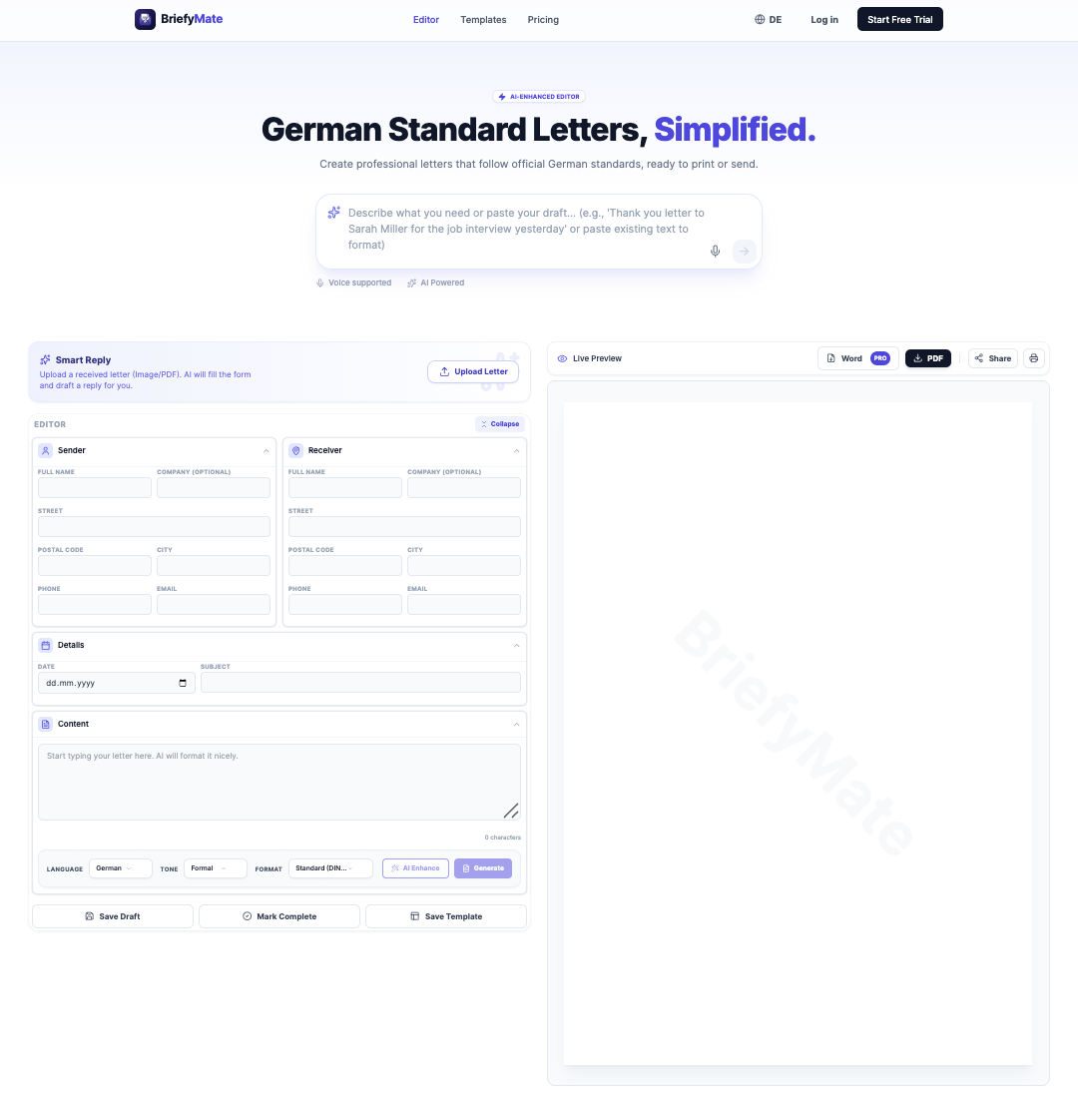
SaaS product · AI document automation · German market
BriefyMate is an AI-powered SaaS product that helps users create structured German standard letters more quickly, with a focus on practical document generation and a clean user experience.
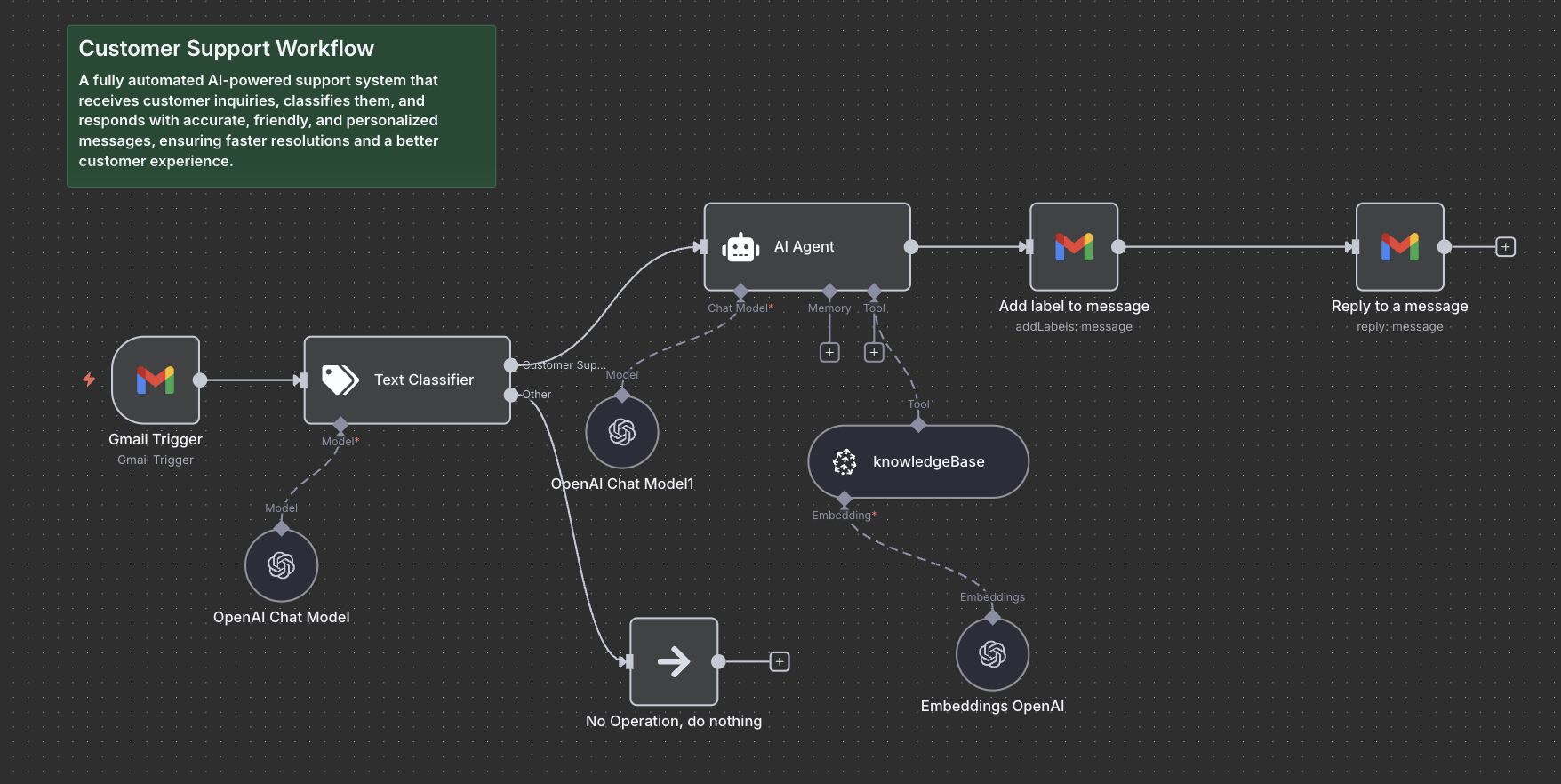
AI automation · Customer support
An AI-first customer support workflow that automatically receives, classifies, and drafts replies to incoming customer inquiries - reducing response time and ensuring brand-consistent messaging.
Let’s design a reliable knowledge system with the right retrieval pipeline, evaluation strategy, security model, and production architecture from the beginning.